Accurate mental health diagnosis is essential when dealing with complex psychological conditions. Mental health issues aren’t always straightforward or easy to detect. Certain issues are obvious and evident, while others remain hidden in the mind, emotions and behaviour. Accurate mental health diagnosis is the foundation of effective treatment for complex psychological conditions.Complex mental health issues include those with several symptoms, long-term duration, mixed emotions, and other disorders that overlap. The diagnosis of these conditions requires patience, knowledge, and a systematic method.

This article we’ll describe in a very simple and straightforward language the methods that mental health professionals use to determine the severity of mental health problems. The report is written highly human manner, using short paragraphs, concise points and simple explanations to ensure that even the most novice of readers can understand the information.
For trusted mental health, sexual health, and de-addiction support in Rohtak, Dr. Abhishek Chugh is a leading specialist offering personalized and compassionate care. He helps patients overcome anxiety, depression, stress, sexual health concerns, and addiction with effective, evidence-based treatment.
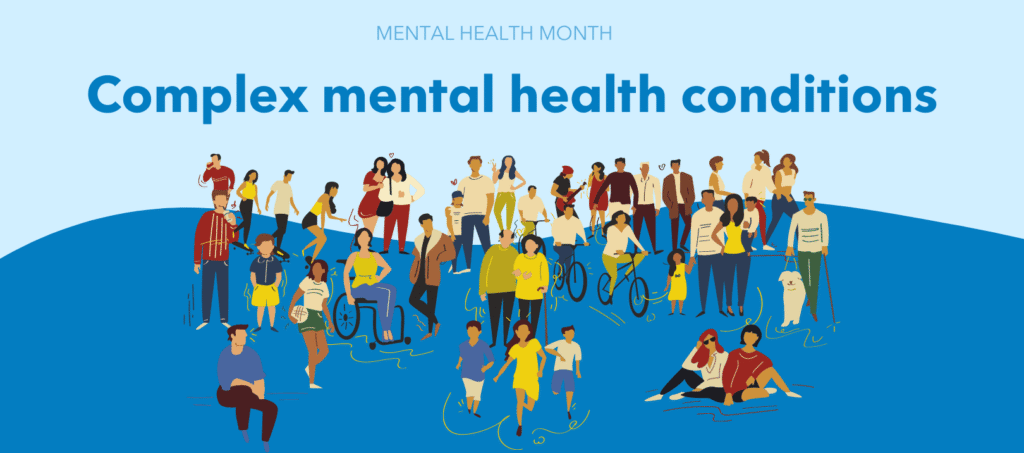
What Are Complex Mental Health Conditions
Complex mental health disorders are those that
- For a long time
- Have several symptoms
- Influence behavior, emotions, and the way you think
- They do not fall into a easy classification
Examples include schizophrenia, bipolar disorder, psychotic disorders, disorders relating to trauma, and disorders where depression and anxiety are present together.
Since symptoms often overlap, accurate mental health diagnosis of these conditions is not easy or quick.
Why Proper Mental Health Diagnosis Is So Important
Proper mental health diagnosis is at the heart of effective treatment. If a health issue is incorrectly diagnosed, treatment might not work or cause more harm.
A proper diagnosis can help:
- Determine the root cause
- Find the appropriate treatment
- Beware of unnecessary medications
- Follow progress promptly
- Improve long-term recovery
A mental health specialist in Rohtak can follow specific diagnostic guidelines to provide secure and efficient care.

Who Diagnoses Complex Mental Health Conditions
The most serious mental health problems are typically identified through professional mental health diagnosis conducted by psychiatrists. The psychiatrists are doctors with training in the field of mental health.
A Top Psychiatrist from Rohtak is equipped with the expertise and understanding required to recognize the complex patterns of psychological and emotional issues. They also may work with therapists and psychologists in order to obtain a complete picture.
Detailed Clinical Interview
The primary and most crucial test for diagnosing includes the medical interview. It is a long and structured dialogue with the psychiatrist as well as patient.
The psychiatrist will ask about:
- Present emotional problems
- Beliefs and thoughts
- Changes in behavior
- Daily routine
- Affection and sleep
- Stress levels
This interview can help the most qualified mental health specialist in Rohtak to understand what is happening internally.
Duration of Symptoms
One of the most important criteria for diagnosing complex mental health issues is the length of time that symptoms have been present for.
Health professionals who specialize in mental health check:
- When symptoms started
- No matter when they leave and come back
- If they’ve been present for several months or even years
Chronic symptoms usually indicate complicated and chronic mental health diagnosis issues instead of stress that is temporary stress.
Severity of Symptoms
There are many different symptoms. How severe the symptoms can be is a big factor when it comes to diagnosing.
Psychologists assess:
- How intense are the emotions
- How do symptoms impact everyday life
- The impact on relationships and work
- Ability to care for oneself
More severe symptoms generally require a more thorough evaluation and treatment plans.
Impact on Daily Functioning
A key diagnostic indicator is the extent to which the illness has an impact on daily life.
Mental health professionals evaluate:
- Performance in studies or work
- Social interactions
- Family connections
- Self-care and hygiene
If someone is unable to be able to function normally due to mental or behavioral issues this could indicate an unaddressed condition.
Pattern of Thoughts and Beliefs
The most complex mental health issues typically are associated with disturbed thinking patterns.
Psychologists carefully assess:
- Unrealistic or negative convictions
- Thinking based on fear
- The paranoia of thoughts or the skepticism
- Unorganized or confused thinking
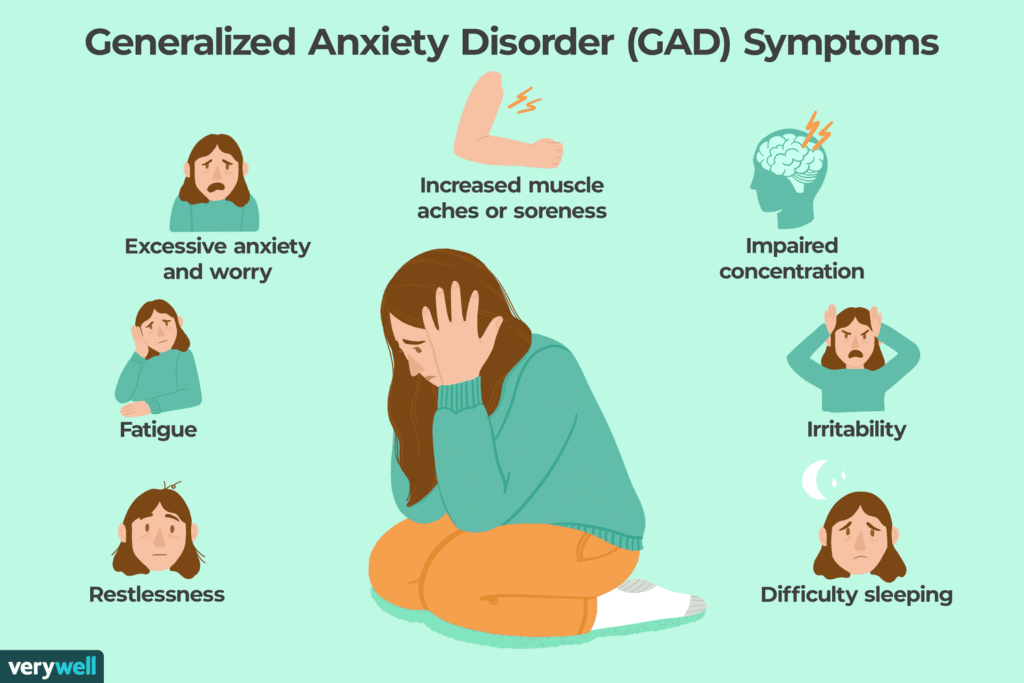
These patterns of thinking help distinguish between depression, anxiety psychosis, anxiety, and personality disorders mental health diagnosis.
Emotional Regulation Ability
Emotional regulation refers to how an individual can control and manage their emotions.
Mental health professionals monitor:
- Sudden mood changes
- Outbursts of emotion
- Numbness in the emotions
- Difficulty calming down
Insufficient emotional regulation is the most obvious sign of several mental health diagnosis that are complex.
Behavioral Changes Over Time
The way you behave is a good indicator of your mental health condition.
The psychiatric doctor will look for:
- Social withdrawal
- Impulsivity or aggression
- Risk-taking behavior
- Changes in routine
The patterns of behavior over time aid in making a more accurate diagnosis instead of relying on single-time observations.
Mental Status Examination (MSE)
The Mental Status Examination is a systematic method to evaluate the current mental health of a person.
It also includes an evaluation of:
- Appearance and behavior
- Speech
- Emotions and moods
- Thinking process
- Concentration and memory
- Reality awareness
This exam is a well-known test tool for diagnosing problems that is used all over the world.
Use of Diagnostic Guidelines
The psychiatric profession relies on internationally recognized diagnostic manuals. These manuals offer clear criteria for diagnosing mental health diagnosis.
The basis for diagnosis is:
- A variety of symptoms
- Symptoms of the type
- Duration
- Functional impairment
This systematic approach guarantees precision and uniformity in the diagnosis.
Ruling Out Physical Health Causes
A variety of physical health conditions may be a source of mental health issues.
Psychologists frequently do not rule out:
- Hormonal issues
- Vitamin deficiencies
- Conditions of the brain
- Drugs can cause side effects.
This is to ensure that symptoms are psychological and not caused by physical ailments.
Evaluation of Past Mental Health History
A history of mental health from the past can provide useful insights.
Psychiatrists inquire about:
- Previous diagnoses
- Treatments in the past
- Response to medications
- Hospitalizations
Patterns that repeat help to identify chronic or complex conditions.
Family History of Mental Illness
Mental health issues usually have a genetic cause.
The psychiatrists assess:
- Family members with mental illness
- A family history of psychosis or depression
- Family members who abuse substances
This information helps to confirm diagnostic accuracy.
Assessment of Stress and Trauma
Stress or trauma that lasts for a long time can cause mental health problems to become more complicated.
Mental health professionals evaluate:
- Childhood trauma
- Abusive behavior based on emotions
- Major life events
- Ongoing stress
The symptoms of trauma are often correlated with depression, anxiety and personality disorders.
Substance Use Evaluation
Substance abuse can cause or mask mental health problems.
The psychiatric specialists evaluate:
- Alcohol consumption
- Drug use
- Smoking habits
This allows you to distinguish between substance-related symptoms and mental health diagnosis.
Psychological Testing and Questionnaires
Standardized questionnaires are employed to determine the severity of a symptom.
These tools aid in:
- Monitoring patterns of symptomatic symptoms
- Examining the changes over time
- Assisting in the clinical judgement
They improve the objectivity of the procedure of diagnosing.
Observation Over Multiple Sessions
Complex mental health issues are not diagnosed with just one visit.
Psychiatrists are aware of:
- Symptom consistency
- Stability of emotions over time
- Initial response to treatment
The continuous observation helps to make better mental health diagnosis.
Differentiating Between Similar Conditions
A lot of mental health issues look similar from afar.
For instance:
- Depression and anxiety
- Bipolar disorder as well as depression
- Trauma and personality disorders.
Professionally trained psychiatrists can distinguish between these by using diagnostic criteria.
Role of Online Mental Health Evaluation
The advancement of technology has made mental health diagnoses easier to access.
The Top Online Therapist in India could assist with the initial assessment, symptom tracking, and follow-ups, particularly for issues with mood and anxiety.
Online care is most effective when coupled with a proper assessment of psychiatric needs.
Importance of Patient Honesty
Accurate diagnosis relies heavily on truthful communication.
Patients must:
- Discuss your concerns openly
- Beware of hiding your emotions
- Talk about fears and concerns clearly
This candor assists the psychiatrist in making the correct diagnosis.
Why Diagnosis Takes Time
Many people are hoping for a quick diagnosis. But complex mental health diagnosis conditions require patience.
Diagnostics take time because:
- The symptoms overlap
- Changes in the conditions are evident
- The need for observation is vital.
A cautious approach can lead to longer-term success.
How Correct Diagnosis Improves Treatment
After the diagnosis is established:
- The treatment is specific
- Recovery is faster
- Relapse risk reduces
- The quality of life is improved
A precise diagnosis is essential to a successful treatment for mental health.
Conclusion
The process of diagnosing complex mental health issues is a meticulous procedure. Psychologists use a variety of factors, such as duration of symptoms and severity, as well as behavior patterns, emotional regulation, as well as everyday functioning, to make a precise diagnosis.
The careful evaluation of the patient ensures that treatment is secure, efficient, effective, and individualized.
The diagnosis of mental health isn’t just about defining, but also about being able to understand and heal. With the proper professional assistance, complicated mental health diagnosis problems can be successfully managed and lead to a healthier and more balanced lifestyle.
A correct mental health diagnosis ensures safe, effective, and long-term treatment planning.
Whether it’s mental wellness, relationship issues, or recovery from addiction, quality care from Dr. Abhishek Chugh ensures improved confidence, emotional balance, and overall well-being. Schedule a consultation to take the first step toward better health and lasting relief.
FAQs
1. What makes complex mental health disorders difficult to identify?
There are multiple symptoms, long-term symptoms, and a mix of behavioral and emotional symptoms that require a thorough assessment over the course of.
2. Does one session suffice to diagnose?
Usually not. Complex illnesses require multiple sessions to be assessed and observed with precision.
3. Are physical tests required to make a mental health diagnoses? Sometimes yes, to determine if physical causes might be similar to symptoms of mental illness.
4. Do family histories influence diagnosis?
Do you think that family history can help detect genetic risk and help to ensure the accuracy of diagnosis?
5. Are online consultations helpful in diagnosing?
Consultations online are helpful to begin the assessment process and for monitoring, but more complicated diagnoses usually require a thorough assessment of psychiatric disorders.



1 Comment
Personalized Mental Health Care : Modern Treatment
[…] is an integral part of a personalized mental health care treatment. Different individuals respond differently to different types of […]