
Sometimes the body panics before the mind even understands what’s happening.
Your heart suddenly starts racing. Breathing gets shallow. Hands feel strange. The room almost feels… unreal. Like you’ve stepped slightly outside of yourself.
In that moment, most people think the same terrifying thing.
Am I having a heart attack?
But often, it’s something else.
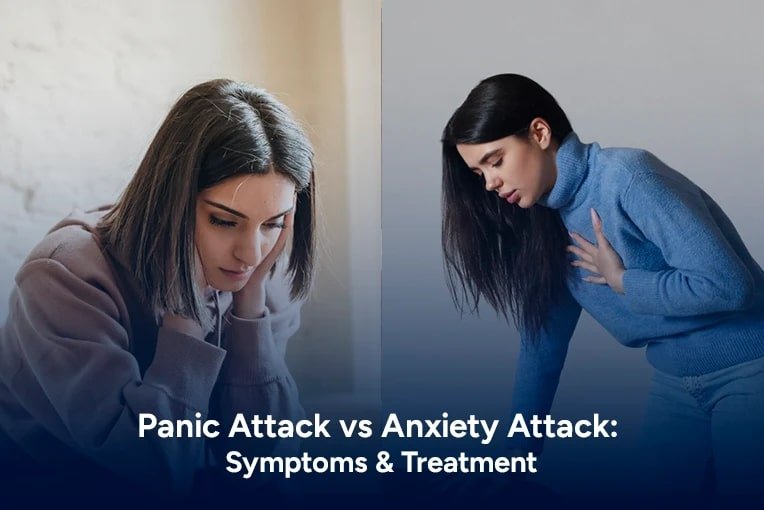
Understanding the difference between panic attack vs anxiety can be confusing because both experiences share similar symptoms. However, when comparing panic attack vs anxiety, the way they appear and affect the body is very different.
People use the words interchangeably all the time.
But the body knows the difference.
And once you understand it, the experience becomes a little less frightening.
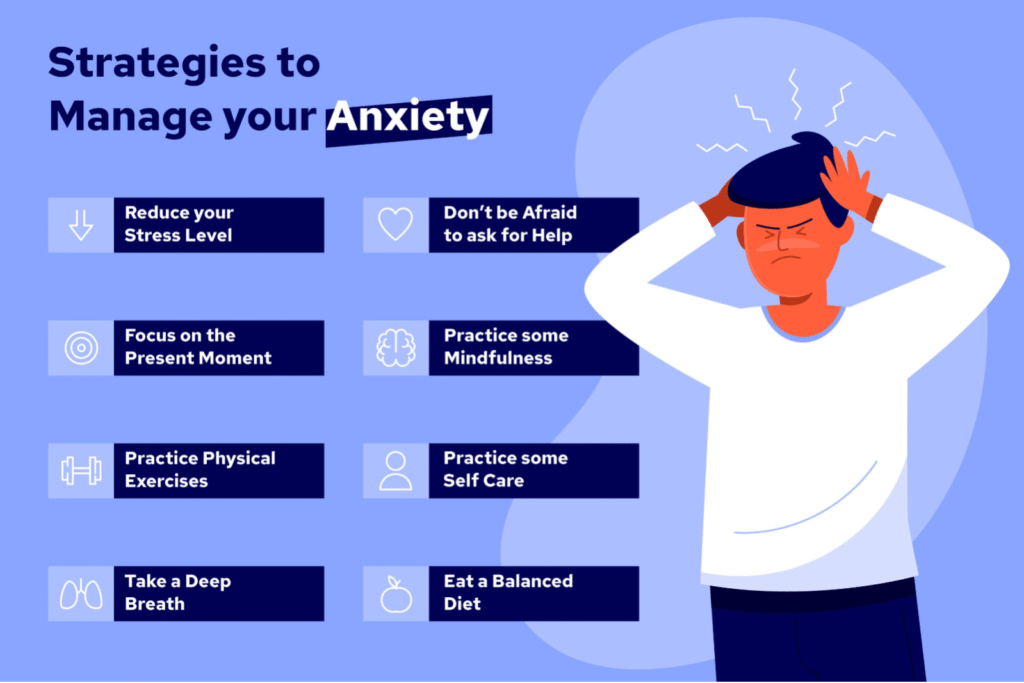
The difference between panic attack vs anxiety is that anxiety builds gradually due to ongoing stress, while a panic attack appears suddenly with intense physical symptoms such as rapid heartbeat, shortness of breath, and dizziness.
What Is Anxiety?
When discussing panic attack vs anxiety, understanding anxiety itself is the first step.
Anxiety is not always dramatic.
In fact, most of the time it’s quiet. Slow. Lingering.
It’s the feeling of constant tension sitting somewhere in the background of the day. Not loud enough to stop life completely, but loud enough that your brain never quite relaxes.
Anxiety often grows from anticipation.
Worrying about what might happen.
The upcoming exam. A difficult conversation. A health concern. Money problems. The future in general.
The mind keeps running small simulations of possible outcomes.
And the body responds as if those imagined scenarios are already happening.
Some common symptoms of anxiety include:
- Persistent worrying thoughts
- Difficulty concentrating
- Muscle tension
- Irritability
- Trouble sleeping
- Restlessness
- Fatigue
The feeling doesn’t usually explode all at once. It builds gradually, like pressure slowly rising in the background.
That slow build is one of the key differences when comparing panic attack vs anxiety.
What Is a Panic Attack?
To understand panic attack vs anxiety, it’s important to recognize how panic attacks affect the body.
A panic attack is very different.
It doesn’t slowly build over days or weeks.
It hits suddenly.
Sometimes without any obvious trigger at all.
One moment everything feels normal. The next moment the body reacts as if it’s in immediate danger.
A panic attack usually reaches its peak within minutes.
Common symptoms include:
- Rapid heartbeat
- Chest pain
- Shortness of breath
- Dizziness
- Sweating
- Shaking
- Feeling detached from reality
- Fear of losing control
- Fear of dying
The intensity is what shocks people the most.
During a panic attack, the body enters full fight-or-flight mode.
Adrenaline floods the system. The heart pumps faster. Breathing changes. Muscles tighten.
From a biological perspective, the body is preparing to escape danger.
The confusing part?
There often isn’t any real danger present.
This sudden physical storm is the main distinction when discussing panic attack vs anxiety.
Key Differences Between Panic Attack vs Anxiety
The biggest difference in panic attack vs anxiety lies in how quickly symptoms appear and how intense they become.
People often ask the same question.
“How do I know if what I experienced was anxiety or a panic attack?”
The answer usually comes down to intensity, speed, and duration.
Anxiety
- Builds gradually
- Can last hours, days, or even weeks
- Often linked to a specific worry
- Symptoms are uncomfortable but usually manageable
Panic Attack
- Appears suddenly
- Peaks within 5–20 minutes
- Extremely intense physical symptoms
- May occur without a clear trigger
Think of anxiety like a slowly rising tide.
A panic attack is more like a sudden thunderstorm.
Both involve the same emotional system — fear — but they behave very differently.
That contrast is at the heart of understanding panic attack vs anxiety.
Why Panic Attacks Feel So Terrifying
There’s a biological reason panic attacks feel so overwhelming.
The brain’s amygdala, which processes fear, reacts extremely quickly.
Sometimes too quickly.
It can trigger the fight-or-flight response before the rational part of the brain even understands what’s happening.
That’s why panic attacks often create symptoms that mimic serious medical emergencies:
- Chest pain
- Difficulty breathing
- Rapid heartbeat
- Dizziness
The body is reacting exactly the way it would if you were being chased by something dangerous.
Except the threat is internal.
Once the adrenaline surge passes, the body slowly returns to normal.
But the experience leaves a strong emotional memory.
Many people start worrying about having another attack, which can create a cycle of fear.
Common Triggers Behind Anxiety and Panic
Certain triggers can influence both panic attack vs anxiety, although they often appear in different ways.
Triggers can vary widely from person to person.
Some people experience clear patterns. Others notice panic attacks appearing out of nowhere.
Still, certain factors tend to increase the chances of both anxiety and panic episodes.
Psychological stress
- Work pressure
- Relationship conflicts
- Financial worries
- Major life changes
Lifestyle factors
- Lack of sleep
- High caffeine intake
- Alcohol use
- Poor nutrition
Health-related factors
- Thyroid issues
- Hormonal changes
- Chronic illness
- Certain medications
Sometimes the body simply becomes overstimulated.
Too much stress. Too little rest.
And eventually the nervous system reacts.
Understanding these triggers helps clarify the difference in panic attack vs anxiety, because anxiety often builds from ongoing stress, while panic attacks may appear suddenly when the body reaches a breaking point.
How to Cope With Panic Attack vs Anxiety
When a panic attack happens, the goal is not to “stop it instantly.” Learning coping strategies can help people manage both panic attack vs anxiety more effectively.
That usually makes things worse.
Instead, the focus should be on calming the nervous system.
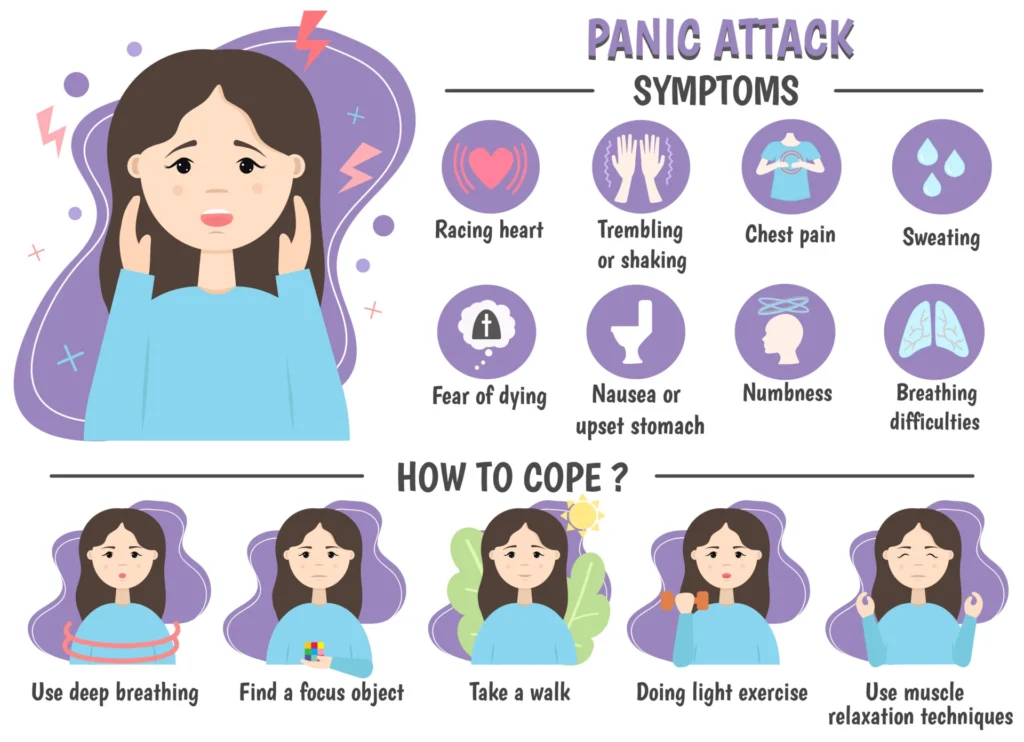
Some techniques that help include:
Slow breathing
Try breathing slowly through the nose for four seconds, then exhaling for six seconds.
Longer exhales signal safety to the nervous system.
Grounding exercises
Focus attention on the present environment:
- Name five things you can see
- Four things you can touch
- Three things you can hear
This pulls the brain away from catastrophic thoughts.
Reminding yourself what it is
Sometimes simply acknowledging the experience helps:
“This is a panic attack. It will pass.”
Panic attacks always peak and then decline.
They cannot last forever.
Managing Ongoing Anxiety
While panic attacks require immediate calming strategies, long-term anxiety needs deeper lifestyle adjustments.
Managing anxiety often involves building daily habits that regulate the nervous system.
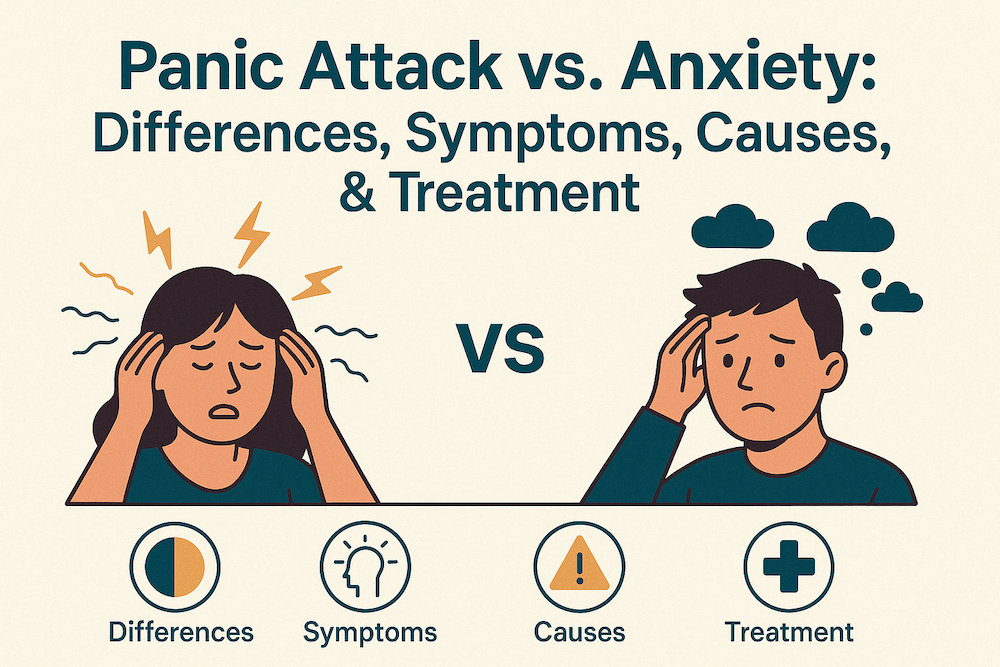
Helpful strategies include:
- Regular exercise
- Mindfulness meditation
- Consistent sleep routines
- Reducing caffeine
- Journaling anxious thoughts
- Talking with supportive people
For some individuals, professional therapy can also provide powerful tools for understanding anxious thinking patterns.
Over time, these approaches help reduce both anxiety and the risk of panic attacks.
When to Seek Professional Help
Occasional anxiety is part of life.
But certain signs suggest professional support might be helpful.
Consider speaking with a mental health professional if:
- Panic attacks occur repeatedly
- Anxiety interferes with work or relationships
- Sleep is frequently disrupted
- Avoidance behaviors start developing
- Daily life feels controlled by fear
Mental health professionals can provide treatments such as cognitive behavioral therapy (CBT) or medication if needed.
The important thing to remember is that both anxiety and panic attacks are treatable.
Many people recover completely with the right support.
Conclusion
Understanding the difference between panic attack vs anxiety helps people respond more calmly when symptoms appear.
Once people recognize how panic attack vs anxiety affect the body differently, the experience becomes less frightening.
But they are not the same.
Anxiety tends to grow slowly, fueled by ongoing worries and stress. It lingers quietly in the background of daily life.
Panic attacks, on the other hand, appear suddenly — intense, overwhelming, and often frightening.
Understanding that difference can be powerful.
Because once people recognize what their body is doing, the experience becomes less mysterious… and a little less scary.
The mind may still react.
The body may still feel the surge.
But knowledge creates space between the fear and the person experiencing it.
And sometimes that space is enough to start breathing again.
FAQs
1. What is the main difference between panic attack vs anxiety?
The key difference between panic attack vs anxiety is that anxiety develops gradually and lasts longer, while a panic attack appears suddenly and reaches peak intensity within minutes.
2. Can anxiety lead to a panic attack?
Yes. High levels of ongoing anxiety can sometimes trigger a panic attack when the body becomes overwhelmed by stress.
3. How long does a panic attack usually last?
Most panic attacks last between 5 and 20 minutes, although the after-effects such as fatigue or tension may continue for a while.
4. Are panic attacks dangerous?
Panic attacks are not physically dangerous, even though they can feel extremely frightening. They are the body’s exaggerated fight-or-flight response.
5. Can therapy help with anxiety and panic attacks?
Yes. Therapies such as cognitive behavioral therapy (CBT) are highly effective in helping people manage both anxiety and panic attacks by changing thought patterns and coping behaviors.

1 Comment
Signs of Depression in Adults When to Seek Professional help
[…] confuse depressive symptoms with anxiety-related conditions. Understanding the difference between panic attack vs anxiety can help identify the real […]