The Kind of Tired That Sleep Doesn’t Fix :-
There’s a particular kind of exhaustion that depression brings — something deeper than physical tiredness. Understanding depression symptoms and treatment is essential to recognize when this feeling becomes a serious mental health condition.
Depression is not just sadness. It affects how you think, feel, and function in daily life. Many people ignore early warning signs, assuming it’s temporary. But identifying depression symptoms and treatment early can make a significant difference in recovery.
And yet depression remains one of the most misunderstood conditions around. People are told to exercise more, think positive, count their blessings — as if the problem is attitude rather than neurology. It isn’t. It’s biology. And it deserves to be treated like it.
What Is Depression? :-
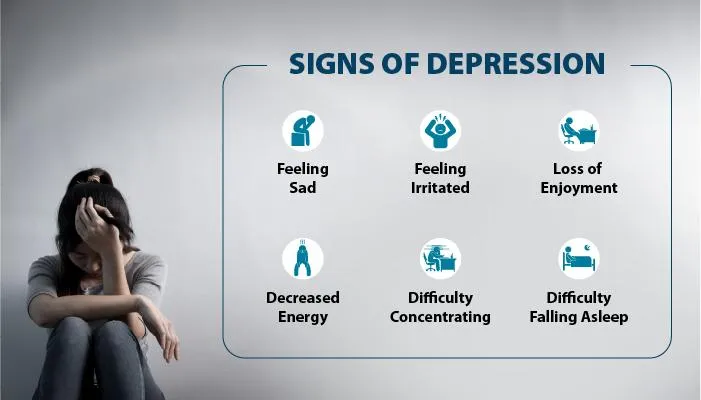
Depression is a mental health disorder characterized by persistent sadness, loss of interest, fatigue, and difficulty in daily functioning. The most common depression symptoms include low mood, sleep problems, lack of energy, and difficulty concentrating.
Effective depression treatment includes therapy such as cognitive behavioral therapy (CBT), medications like SSRIs or SNRIs, lifestyle changes, and professional mental health support. Early diagnosis and treatment significantly improve recovery outcomes.
Depression Symptoms and Treatment: Understanding the Condition
One of the most important distinctions to understand: depression vs sadness are not the same thing.
Sadness is a natural human emotion. It comes in response to loss, disappointment, or difficulty. It rises. It moves. It fades with time or circumstances.
Depression — clinically, major depressive disorder — is different. It is persistent, often without a clear external cause, and it doesn’t simply lift when circumstances improve. It affects how the brain functions at a neurological level. It changes appetite, sleep, energy, concentration, and the capacity to feel pleasure. It is not an emotion — it is a condition.
If you’ve been wondering how to know if you have depression — if what you’re experiencing is just going through a rough patch or something that needs clinical attention — the duration and impact matter. Two weeks or more of symptoms that are affecting multiple areas of your life is the threshold to pay attention to.
Many people experiencing depression also struggle with chronic anxiety, and understanding anxiety disorder symptoms and treatment can help identify overlapping conditions.
Types of Depression Worth Knowing
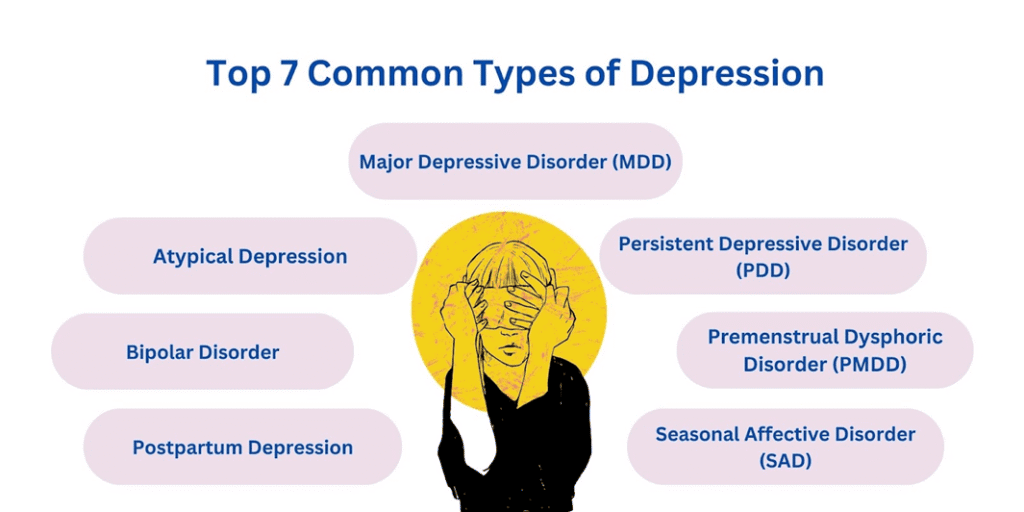
Depression is not one thing. It comes in different forms and recognizing which type matters for getting the right treatment:
• Major Depressive Disorder (MDD) — episodes of severe depression lasting at least two weeks, significantly disrupting daily functioning
• Persistent Depressive Disorder (Dysthymia) — lower-grade but chronic depression lasting two or more years; often described as ‘always feeling a bit grey’
• Bipolar Depression — depressive episodes that alternate with periods of mania or hypomania; treatment differs significantly from unipolar depression
• Postpartum Depression — develops after childbirth; often dismissed as baby blues but far more serious and requiring proper treatment
• Seasonal Affective Disorder (SAD) — Seasonal Affective Disorder (SAD) follows seasonal patterns, typically worsening in winter months. Learn more about seasonal affective disorder symptoms and causes.
• Psychotic Depression — severe depression accompanied by delusions or hallucinations
Collapsing all of these into simply ‘feeling depressed’ is part of why so many people don’t get the right care. Understanding different types is important when choosing the right depression symptoms and treatment approach.
Signs of Depression: Beyond Just Feeling Sad
Many people searching for depression symptoms and treatment do not recognize their own condition in early stages. It often doesn’t. Recognizing these warning signs early is essential for proper depression symptoms and treatment.
The emotional symptoms:
• Persistent low mood, emptiness, or hopelessness that doesn’t lift
• Loss of interest or pleasure in activities that used to feel meaningful
• Feeling worthless, excessively guilty, or like a burden to others
• Thoughts of death or suicide — always a medical concern that requires immediate attention
The symptoms people don’t expect:
• Profound fatigue — exhaustion that doesn’t improve with rest
• Sleep disturbances — insomnia, early morning waking, or hypersomnia (sleeping too much)
• Appetite and weight changes — eating far too little or too much
• Difficulty concentrating, making decisions, remembering things
• Physical symptoms — unexplained aches, headaches, digestive problems
• Moving or speaking more slowly than usual
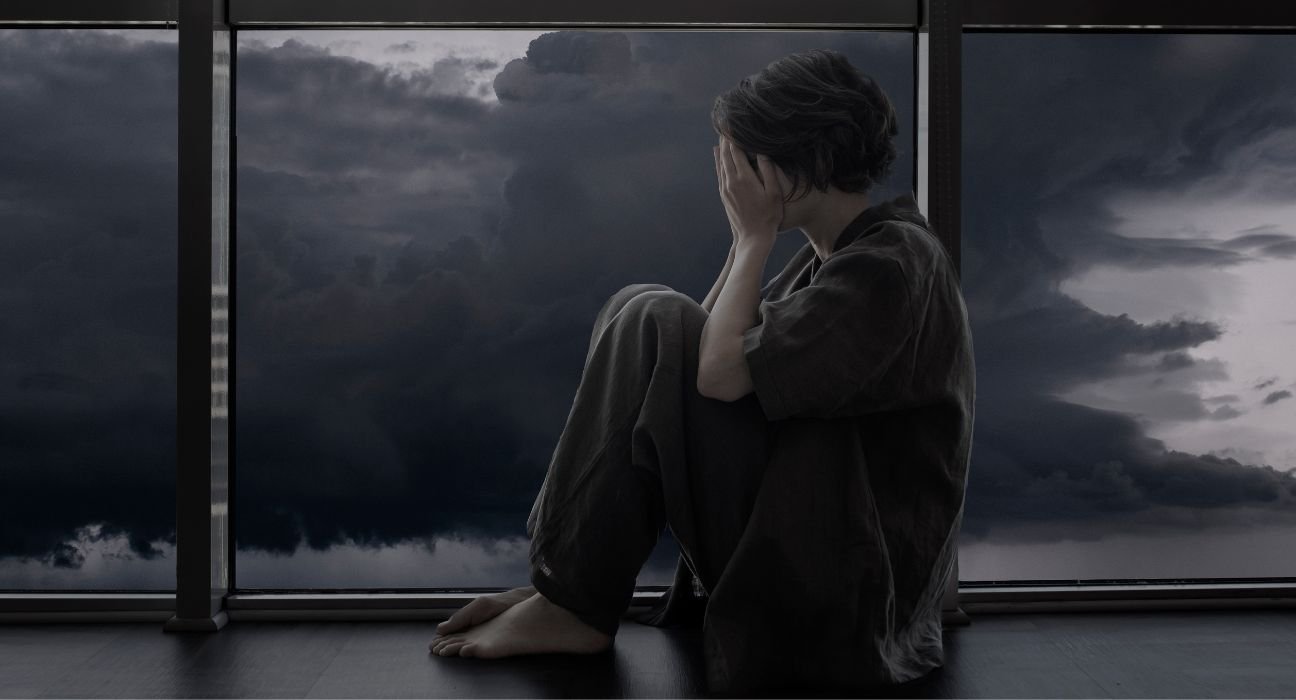
One of the cruelest aspects of depression is that it impairs your ability to seek help. The condition itself makes reaching out feel impossible. f you are unsure whether your symptoms need attention, understanding the signs of depression in adults can help you decide when to seek professional help.
What Causes Depression
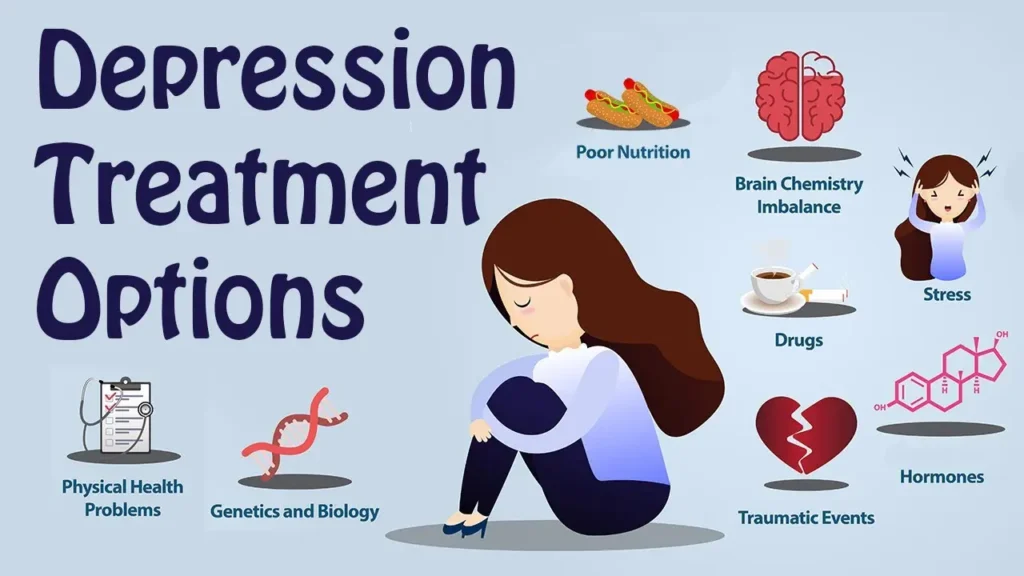
There is no single cause. It’s a convergence — and understanding this matters because it shapes treatment.
• Neurobiological factors — imbalances in serotonin, norepinephrine, and dopamine; measurable changes in brain activity and structure
• Genetics — family history significantly increases risk; if a close relative has had depression, your vulnerability is higher
• Life events — loss, trauma, abuse, major transitions can trigger episodes in those already predisposed
• Chronic illness — diabetes, heart disease, thyroid disorders, and chronic pain all carry high rates of comorbid depression
• Hormonal changes — menopause, postpartum period, thyroid dysfunction
• Social isolation — loneliness is one of the most powerful triggers and maintainers of depression; underappreciated as a cause
Sometimes people know exactly what broke them. Sometimes the depression just arrives with no obvious explanation. Both are valid. Both deserve treatment. These factors play a major role in determining the most effective depression symptoms and treatment plan.
Can Depression Be Cured: What Treatment Actually Looks Like
When discussing depression symptoms and treatment, one of the most common questions is whether it can be cured completely. The honest answer to can depression be cured: it depends on the type and severity. Many people achieve complete remission — full return to normal functioning. Others experience recurrence and need ongoing management. But most people, with the right treatment, improve significantly. That part is consistently true.
Best treatment for depression in India follows the same evidence base globally:
Psychotherapy:
• Cognitive Behavioral Therapy (CBT) — the most extensively researched; targets negative thought patterns that maintain depression
• Interpersonal Therapy (IPT) — focuses on relationship patterns and communication
• Behavioral Activation — simple but evidence-based; gradually re-engaging with meaningful activities
Medications:
• SSRIs — sertraline, fluoxetine, escitalopram; standard first-line; take 4-6 weeks to show full effect
• SNRIs — venlafaxine, duloxetine; equally effective, different side effect profile
• Bupropion — particularly useful when fatigue and low motivation are prominent features
• Mood stabilizers and atypical antipsychotics — used in bipolar depression or treatment-resistant cases
Other approaches with real evidence:
• Exercise — multiple studies show equivalent effects to antidepressants for mild-moderate depression; not a replacement but significant
• ECT (Electroconvulsive Therapy) — highly effective for severe, treatment-resistant depression; far safer and more refined than its reputation suggests
• TMS — non-invasive brain stimulation; increasingly available for treatment-resistant cases
Finding Depression Treatment in Rohtak and Haryana
For those seeking depression treatment in Rohtak or mental health support across mental health Haryana, access is better than most people assume. PGIMS Rohtak has a psychiatry department offering comprehensive evaluation and treatment. Private psychiatrists in Rohtak and Hisar provide more immediate access with shorter wait times.

Online psychiatric consultation has also transformed access — for people in smaller towns or those for whom stigma makes in-person visits difficult, video consultations with qualified psychiatrists are now a real option. A combination of therapy, medication, and lifestyle changes forms the most effective depression symptoms and treatment strategy.
Conclusion
Understanding depression symptoms and treatment is the first step toward recovery and mental well-being. Depression is not a personal failure. It is not weakness. It is a medical condition with real neurological roots and real treatment options that work for most people who access them.
If you are living in it right now — in the flatness and the heaviness of it — the most important thing to know is that it does not have to stay this way. Recovery is not guaranteed to be fast or linear. But it happens. Consistently. For most people who seek care.
Frequently Asked Questions
1. What are the common depression symptoms and treatment options?
Sadness is a normal emotional response that fades with time. depression symptoms and treatment persists, often lacks a clear cause, and affects multiple areas of functioning. Two or more weeks of significant symptoms is the threshold for seeking evaluation.
2. Can depression be treated without medication?
Yes. Therapy and lifestyle changes are effective, particularly for mild to moderate depression. Severe depression often benefits from medication alongside therapy.
3. Can depression be cured permanently?
Many people achieve full remission. Others experience recurrence and benefit from ongoing treatment. The goal of treatment is full functional recovery, which is achievable for most people.
4. Does depression affect physical health?
Significantly. Depression is associated with increased cardiovascular risk, weakened immune function, chronic pain amplification, and poorer outcomes across virtually every medical condition.
5. Where can I find a psychiatrist for depression in Rohtak?
PGIMS Rohtak is the main government facility. Several qualified private psychiatrists also practice in Rohtak. Online telepsychiatry is increasingly accessible for those who prefer or require remote consultation.