Most people don’t notice they’re depressed. Not at first. They notice they’re tired, or short-tempered, or that things they used to enjoy feel hollow now. They chalk it up to stress, or age, or just the weight of adult life. And so it goes — sometimes for months, sometimes for years — before anyone connects the dots.
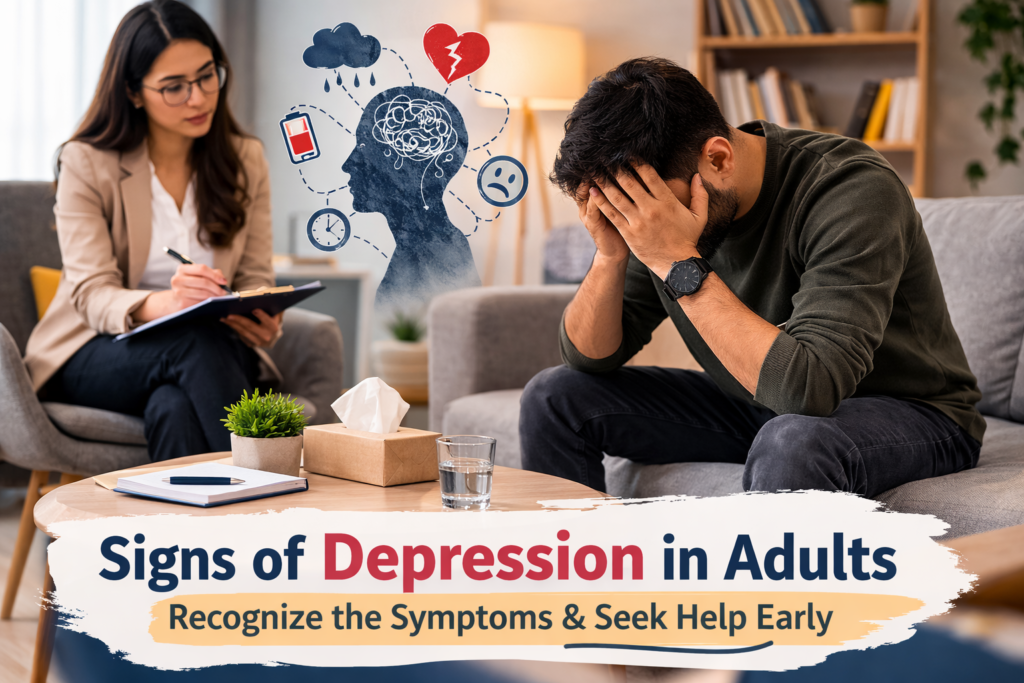
The signs of depression in adults don’t always announce themselves. They slip in quietly. They masquerade as personality traits, or burnout, or just being a little off lately. That’s what makes them so easy to miss — in yourself and in the people you love.
This article is about learning to read those signs. Not to diagnose yourself in a panic, but to recognize when something is genuinely wrong — and to understand what “getting help” actually looks like before it becomes a crisis.
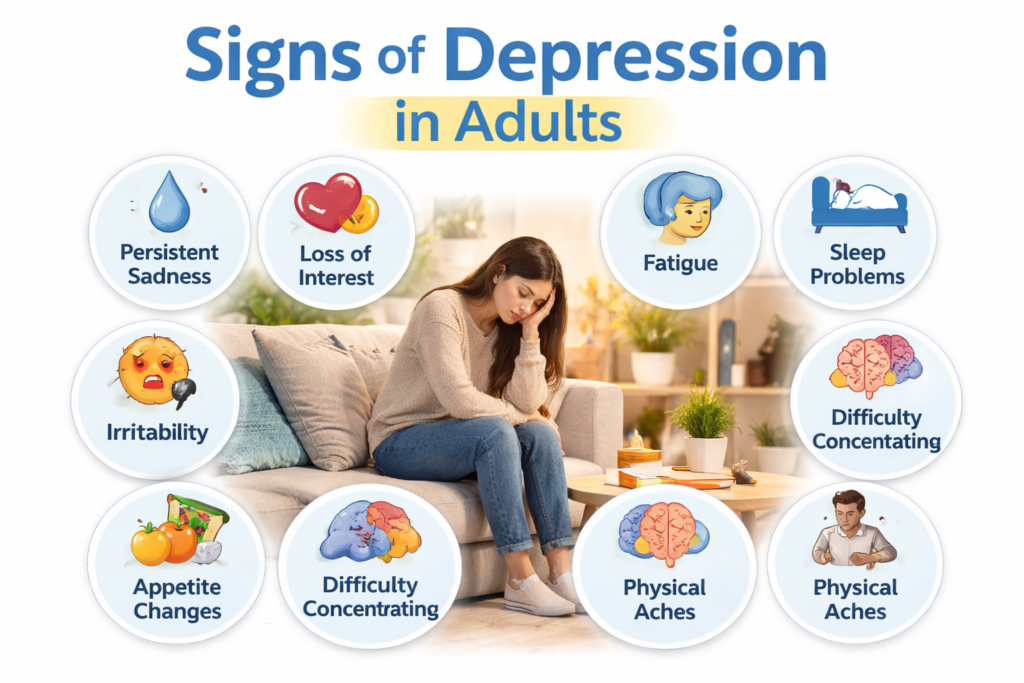
Signs of depression in adults include persistent sadness, loss of interest in activities, sleep problems, fatigue, irritability, and difficulty concentrating for more than two weeks.
| Symptom | Description |
|---|---|
| Persistent sadness | Feeling low most of the day |
| Loss of interest | No enjoyment in activities |
| Sleep problems | Insomnia or oversleeping |
| Fatigue | Constant low energy |
| Irritability | Short temper or frustration |
The Signs That Are Easy to Spot
Some signs of depression in adults are the ones most people know, at least theoretically. Persistent sadness. Hopelessness. Crying a lot or for no clear reason. These are real and they matter — but they’re also the version of depression that gets the most airtime, which means people assume that if they’re not crying daily, they must be fine.
The more visible signs include:
• Feeling sad or empty most of the day, most days — not just sometimes, but as a kind of baseline
• Loss of interest in things that used to matter — hobbies, friendships, food, even sex
• Frequent crying, sometimes without an obvious trigger
• A sense of hopelessness or that the future is just… blank. No shape to it
• Feeling worthless or consumed by guilt over things that don’t warrant that kind of weight
These are the symptoms that tend to get people to a doctor. But they’re not the whole picture.
The Signs That Hide in Plain Sight
Here’s what depression also looks like in adults: doing everything right on the outside while quietly falling apart inside. Going to meetings, responding to emails, being the parent who shows up — and then sitting in a parked car for ten minutes before you can make yourself go in.
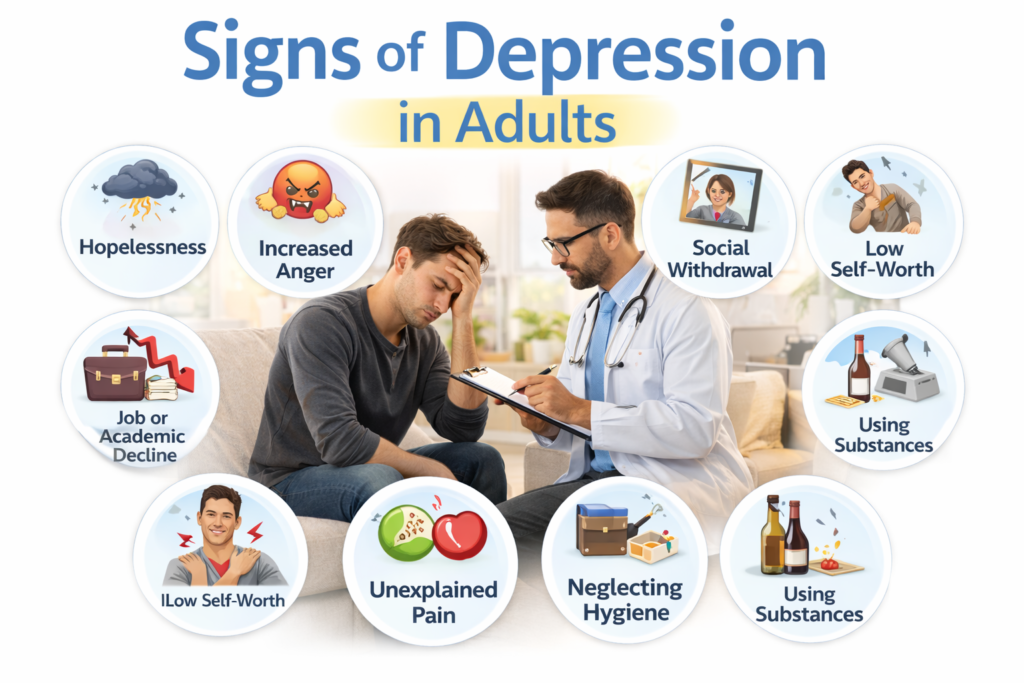
The less obvious signs of depression in adults often get mistaken for character flaws or life circumstances:
• Irritability and short fuse — especially in men, this is often how depression presents rather than visible sadness
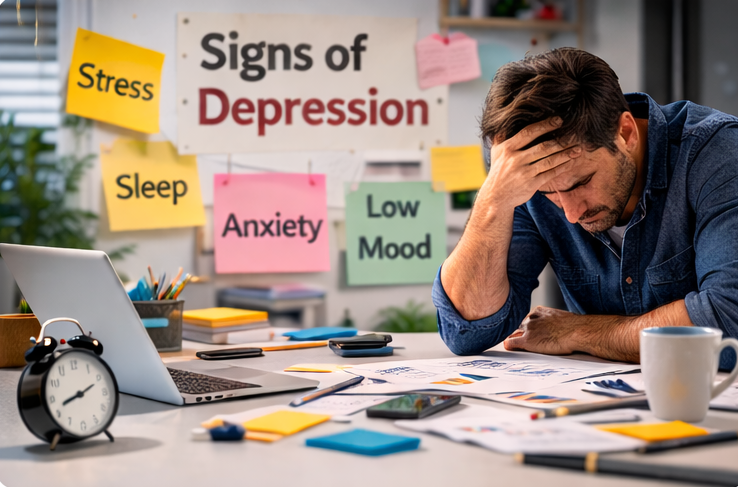
• Difficulty concentrating — thoughts that scatter, decisions that feel impossible, forgetting simple things constantly
• Withdrawing from people — not dramatically, just slowly cancelling plans, going quiet, being less reachable
• Physical symptoms — unexplained headaches, digestive issues, body aches that don’t have a clear medical cause
• Moving or speaking more slowly, or conversely, a restless, agitated energy that doesn’t go anywhere productive
• Eating much more or much less than usual
The physical ones especially get missed. People go to their GP for the headaches, get reassured there’s nothing physically wrong, and leave still carrying whatever is actually going on.
In some cases, persistent worry and mental tension may indicate generalized anxiety disorder symptoms, which often overlap with depression.
Sleep and Energy: The Two That Change Everything
Sleep disturbance and fatigue are among the most consistent signs of depression in adults, and also among the most destabilizing. When you’re not sleeping — or when you’re sleeping too much and still waking up exhausted — everything else gets worse. Mood, concentration, patience, the ability to see any situation clearly.
Depression and sleep have a complicated relationship. Depression disrupts sleep architecture — the cycling through light sleep, deep sleep, REM. REM sleep in particular is where emotional processing happens, where the brain sorts through the day’s experiences. When that gets disturbed, the emotional load doesn’t get processed. It accumulates.
Sleep disturbance is one of the most common signs of depression. Poor sleep can also increase anxiety and emotional stress, creating a repeating sleep anxiety depression cycle that becomes difficult to break.
What this looks like:
• Waking at 3am and lying there with thoughts that spiral and won’t stop
• Unable to fall asleep despite being exhausted
• Sleeping ten, twelve hours and feeling no better for it
• A fatigue that isn’t physical tiredness — more like a motivational exhaustion, a lack of will
When Depression Looks Like Something Else
This is the part that trips people up the most. Signs of depression in adults often look like anxiety, burnout, relationship problems, physical illness, or just the general grinding difficulty of modern life. The overlap is real — depression and anxiety frequently co-occur, and chronic stress can look almost identical to a depressive episode.
In some adults, depression may appear as irritability or anger. Learning about the psychological causes of anger can help uncover hidden emotional struggles.

Some presentations that often get misread:
• Anger and conflict in relationships — when underlying depression is making someone more reactive, more easily hurt, more likely to interpret things badly
• Underperformance at work — attributed to laziness or attitude rather than an illness affecting cognitive function
• Substance use — alcohol and other substances are common self-medication for untreated depression
• Chronic physical complaints — ongoing pain or illness without clear cause that’s actually depression presenting somatically
The key is duration and impairment. If symptoms have been present for more than two weeks and they’re getting in the way of functioning — work, relationships, basic self-care — that’s the signal.
Many people confuse depressive symptoms with anxiety-related conditions. Understanding the difference between panic attack vs anxiety can help identify the real issue.
Depression in Different Stages of Adult Life
The signs of depression in adults can shift depending on where someone is in their life. A twenty-six year old and a sixty-two year old may be experiencing the same condition through very different filters.
In younger adults, depression often overlaps with identity struggles, social comparison, and a world that feels overwhelming and uncertain. It can look like apathy, underachievement, or a kind of numb drifting.
In midlife, it can emerge after years of high-functioning — when the structure of a demanding life starts to falter, or when meaning feels thin despite outward success. In older adults, depression is frequently under-diagnosed because symptoms like fatigue, low energy, and cognitive slowness get attributed to aging.
Some things worth watching across all adult ages:
• A meaningful change from baseline — a person who used to be social and engaged going quiet
• Increasing pessimism about the future
• Neglecting physical health — skipping medications, not eating properly, abandoning exercise
• Expressing feelings of being a burden to others
When to Actually Seek Professional Help
The honest answer is: sooner than you think. Most people wait too long. The cultural script around mental health still involves a lot of “it’s not that bad yet” and “I’ll give it a little more time.” And sometimes that’s reasonable. But sometimes it’s depression talking — because convincing you that you don’t deserve help is one of the things it does.
If symptoms of depression persist and start affecting daily life, consulting a trusted psychiatrist in Rohtak for stress and anxiety can help individuals receive proper diagnosis and treatment.
Concrete signals that it’s time to reach out:
• Symptoms have lasted more than two weeks continuously
• You’ve stopped doing things you need to do — work, self-care, maintaining relationships
• You’re using alcohol or other substances to cope
• You’ve had thoughts of self-harm or suicide — even passing ones, even vague ones. These require immediate support
• Someone close to you has expressed concern, even if you’ve dismissed it
“Seeking professional help” doesn’t automatically mean medication, doesn’t mean weekly therapy for the rest of your life. It means a conversation with someone qualified to assess what’s happening. A GP can be a first step. A mental health professional is ideal.
The barrier to starting is usually the hardest part. After that, most people say they wish they’d done it sooner.
Risk Factors for Signs of Depression in Adults
Identifying the risk factors for the signs of depression in adults can assist individuals in recognizing the early signs. Depression usually does not occur without a reason. In most cases, depression builds up over time due to a combination of psychological, biological, and environmental factors.
The most common risk factors for the signs of depression in adults include:
Family history of depression
If depression exists within the family, an individual might be more susceptible to depression.
Chronic stress
Stress caused by work, financial, or relationship problems might trigger the signs of depression in adults.
Major life changes
Major changes such as a divorce, losing a job, moving to a new city, or losing a loved one might trigger depression.
Chronic illness or pain
Chronic illness such as diabetes, heart conditions, or pain disorders might trigger depression.
These factors might combine to reduce an individual’s resistance to depression, thus triggering the signs of depression in adults.
How Depression Affects Daily Life
The signs of depression in adults not only affect an individual’s emotional well-being; they affect almost every other aspect of life.
Daily routines tend to change, sometimes slightly.
Depression can influence many spheres of life, such as relationships and sexuality. Understanding the role of a sexologist in the current context of sexual health care will help people overcome intimacy-related problems that may occur due to emotional or psychological stress.
Work performance may be affected since concentration becomes a problem. Simple tasks become too complex to handle.
Relationships are also affected. An individual experiencing the signs of depression in adults tends to avoid social interactions. They may avoid telephone calls or find it difficult to express their feelings.
Physical well-being may be affected. A lack of motivation may lead to unhealthy eating habits, reduced exercise, and sleep patterns.
In essence, depression makes life difficult, and the difficulties make depression worse. This creates a vicious cycle.
The significance of understanding the effect of the signs of depression in adults on daily life cannot be overemphasized.
Treatment Options for Signs of Depression in Adults
The good news for people experiencing the signs of depression in adults is that these are highly treatable. With the right combination of support and treatment, many people are able to recover and regain emotional balance.
Professional care may involve therapy, counseling, and other forms of structured mental health care. Some people seek specialized mental health care services to get the appropriate care for their mental conditions.
The best options for treating depression include:
Psychotherapy (Talk Therapy)
Cognitive Behavioral Therapy (CBT) is one of the most common forms of therapy for depression. This type of therapy helps people identify negative thought patterns and replace these with more constructive ones.
Medication
In more serious conditions, medical professionals may prescribe antidepressants to help stabilize the chemistry of the brain.
Lifestyle Changes
There are some lifestyle changes that can greatly help reduce the signs of depression in adults. These include:
Exercise
Sleeping habits
Healthy nutrition
Mindfulness
Online Therapy Support
Online therapy for mental and emotional disorders is a relatively new form of mental healthcare. This allows people to access professional help from the comfort of their own homes.
Professional therapies such as Cognitive Behavioral Therapy are commonly used to treat both anxiety and depression. Many patients explore anxiety treatment in Rohtak to receive structured therapy support.
Preventing Signs of Depression in Adults
While it is not possible to prevent depression entirely, certain practices can help prevent the occurrence of the signs of depression in adults.
Some practices that are often recommended by mental health professionals include:
Having strong social ties
Having close associations and interacting with people on a regular basis helps in preventing feelings of loneliness.
Having effective stress management
Using techniques like meditation, deep breathing, and physical exercise helps in controlling stress levels.
Having a balanced lifestyle
Getting enough sleep, eating nutritious food, and exercising regularly are essential for leading a balanced and healthy lifestyle.
Getting professional help
If the early signs of depression in adults are recognized, it is best to consult professionals and prevent the symptoms of depression from becoming serious.
Preventive care is as important as curative care.
Certain changes in one’s daily habits can make a big difference in one’s mental well-being.
How to Support a Person Showing Signs of Depression in Adults
Identifying signs of depression in adults within someone you care for can be a tough challenge. This is because most people with depression try to hide their depression or act as if they are not experiencing any problem.
Helping someone with depression does not necessarily involve helping them solve their problem. Instead, it involves providing a supportive environment for them.
Some ways to help someone showing signs of depression in adults include:
Long-term depression can affect multiple areas of health, including sexual well-being. In some cases it may contribute to conditions like psychogenic erectile dysfunction.
Listen to Them
Let the depressed person talk openly about his/her depression without interrupting his/her words.
Encourage Professional Help
Encourage the depressed person to seek professional help if showing signs of depression in adults persists.
Stay Connected to Them
Sometimes, a depressed person just needs to be checked on or to receive a message or two. This will help reduce his/her feelings of loneliness.
Be Patient with Them
Recovering from depression does not happen within a short time. Therefore, avoid pressuring a depressed person to “snap out of depression.”
Support from people around a depressed person plays a crucial role in helping the depressed person cope with depression.
Early Warning Signs of Depression in Adults That Should Not Be Ignored
In most cases, the signs of depression in adults begin with small emotional or behavioral changes that may seem insignificant at first.
However, early recognition of these signs can prevent the condition from becoming severe.
Some early signs include:
Loss of motivation
Adults may find that tasks that were once easy are now exhausting or meaningless.
Increased irritability
Adults experiencing early signs of depression in adults may become easily frustrated or impatient.
Social withdrawal
Adults may begin to avoid friends, family gatherings, or social activities.
Negative thinking
Adults may begin to think negatively about failure, guilt, or feeling like a burden.
Changes in appetite or sleep
Sudden changes in eating habits or sleeping patterns may signal emotional distress.
Early signs of depression in adults allow people to seek support, which can greatly improve treatment outcomes.
About the Author: Dr. Abhishek Chugh
When it comes to dealing with mental health problems like depression, anxiety, and emotional stress, it is important that the person dealing with the condition receives professional and compassionate care. Dr. Abhishek Chugh is a mental health professional committed to assisting people in dealing with their mental health problems.
Dr. Abhishek Chugh, after gaining experience in dealing with mental health problems like anxiety disorders, depression, anger, stress, and relationship problems, focuses on dealing with the root cause of the mental health problems that an individual is going through, rather than dealing with the symptoms of the problems.
Individuals who are going through persistent symptoms of depression in adults, anxiety, and emotional problems can get professional assistance and counseling.
Dr. Abhishek Chugh offers the following professional assistance:
- Cognitive Behavioral Therapy (CBT)
- Anxiety and Stress Management Counseling
- Emotional Management Techniques
- Personalized Mental Health Counseling
When an individual or their loved ones are going through persistent symptoms of depression in adults, it is important that they get professional assistance and counseling, as it is an important step towards recovery and mental wellness.
Learn more about the doctor and his approach here:
Dr. Abhishek Chugh – Mental Health Specialist
Conclusion
The signs of depression in adults are rarely dramatic. They’re quieter than that. They’re the slow dimming of things that used to matter, the body that won’t cooperate, the sleep that doesn’t come or won’t stop. They’re the withdrawal, the irritability, the fog.
Knowing what to look for — in yourself, in someone you care about — matters. Not to catastrophize. But because depression is treatable, and the sooner it gets treated, the shorter the road back tends to be.
You don’t have to be in crisis. You just have to be honest about what’s going on.
Frequently Asked Questions
1. What are the first signs of depression in adults?
Often it’s subtle — persistent low energy, withdrawal from social activities, a flattening of emotional responses, or sleep changes. Many people notice they’ve stopped enjoying things before they notice the sadness.
2. How do signs of depression differ in men vs women?
Women more often show classic signs like visible sadness and tearfulness. Men more often show depressionthrough irritability, anger, risk-taking behavior, or physical complaints. Neither pattern is universal, but the difference matters for recognition.
3. Can adults have depression without knowing it?
Absolutely. High-functioning depression is extremely common — people maintain appearances while privately struggling. Without a clear baseline comparison, many people simply don’t recognize that what they’re experiencing is a clinical condition and not just life.
4. What’s the difference between depression and burnout?
Burnout typically improves with rest and removing the stressor. Depression persists across contexts, doesn’t resolve with rest alone, and tends to affect more areas of functioning. The two can co-exist, and burnout can trigger depressive episodes in vulnerable people.
5. How quickly should I seek help if I notice signs of depression?
If symptoms are present most days for two or more weeks, don’t wait. There’s no award for enduring it longer. Earlier intervention consistently leads to better outcomes and shorter recovery. Start with your primary care doctor if accessing mental health care directly feels too daunting.