
Acute and chronic anger are more frequent than people believe. People are often angry every day. Little things can cause them to be angry, fight, or lose control. Psychological Causes of Anger
This type of anger is not a sudden occurrence. It builds up inside an individual over months or perhaps years.
A lot of people don’t understand the reason behind their feelings and often blame others rather than considering the source of their feelings.
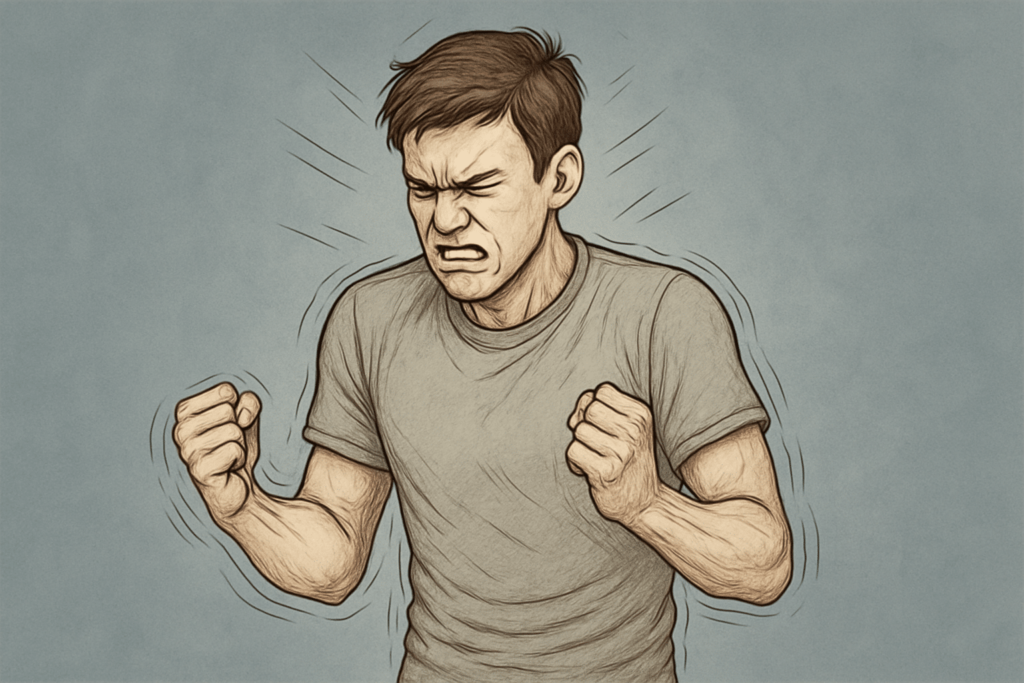
Anger is a common human emotion.Psychological Causes of Anger Every person experiences anger at times in their lives. However, when the anger is frequent or intense and is difficult to manage, it develops into a psychological and mental issue.
A constant state of anger can damage relationships, health, well-being, work, and self-esteem. It can also cause depression, anxiety, addiction to substances, or even violent acts.
This article will explain the psychological factors that cause persistent anger and aggressive behavior in very clear and straightforward language. Psychological Causes of Anger Learn how anger can last for long periods of time, the way that our minds create violent reactions, and the time when professional assistance is required. The objective is to help you comprehend anger and not be scared of it.
What Is Chronic Anger?
Chronic anger can mean being angry all the time, without a cause. The anger doesn’t disappear easily. It is kept inside and appears time and time again.
People who have a history of chronic anger could:
- You can be very easily irritated.
- Overreacting to even minor issues
- Restless or anxious all day long
- Scream, insult, or threaten other people
- Regret an angry outburst
- Psychological Causes of Anger
This type of anger is rarely a reflection of the current situation. It’s usually a result of past emotional trauma stress, anxiety, or unresolved mental problems.
Difference Between Normal Anger and Chronic Anger
Normal anger:
- It is only for a brief period of time
- There is a clear reason
- It disappears once the issue is resolved
- Does not affect daily life
Chronic anger
- It happens quite often
- It is intense and difficult to control.
- Continues to stay even when there is nothing wrong
- Impacts on health, work, and relationships
A constant state of anger indicates a mind that is in turmoil and requires attention.
Psychological Causes of Chronic Anger and Aggression
Chronic anger is not without cause. It can be caused by many psychological and emotional factors. Here are the most frequent reasons explained in plain English.
Unresolved Childhood Trauma
Many suffer from emotional pain in their childhood, Psychological Causes of Anger but do not realize that they have it. The pain eventually turns to anger.
Common childhood experiences that are linked to anger
- Abuse of the physical or emotional kind
- Parents’ neglect
- Incessant criticism
- Insecurity, love, or a lack of love
- Being a witness to violence at home
- Psychological Causes of Anger
A child feeling unloved or unsafe develops the habit of staying angry to protect themselves. When they reach adulthood, this anger is brought out in violent behavior, even in secure situations.
Suppressed Emotions

People are taught that expressing emotions is a sign of weakness. They conceal emotions like fear, sadness, or hurt, and then keep them to themselves.
When emotions are repressed
- Sadness transforms into anger
- Fear turns into aggression
- It is a process of turning pain into irritation
- Psychological Causes of Anger
The mind needs to express itself. If emotions remain unresolved for a long period and then explode, it’s as if they were anger.
One of the major psychological causes of anger is chronic stress and pressure experienced in daily life.
Stress is a constant source of stress that puts the brain Psychological Causes of Anger operating in survival mode. The brain is constantly in fear every minute of the day.
Stress sources that are common:
- Work tension
- Financial problems
- Family conflict
- Problems with relationships
- Health-related concerns
When stress doesn’t find relief, it gradually turns into anger. This is the reason the Stress Management Therapy in Rohtak is frequently advised for people who feel unmotivated and angry, but do not know why.
Anxiety Disorders
Anger and anxiety are linked. People who are anxious feel uneasy and stressed out.
What causes anxiety to create anger?
- The constant worry drains the mind.
- Fear can cause irritability and increase stress levels.
- Psychological Causes of Anger
- Overthinking can lead to frustration.
- Panic triggers an aggressive reaction.
A lot of people suffering from anxiety are viewed by others as “short-tempered,” while they are in fact struggling internally. A Health professional who specializes in mental health in Rohtak can identify this connection and direct treatment.
Depression Hidden Behind Anger
Depression doesn’t always appear as sadness. In many instances, it manifests as anger.
The signs of anger triggered by depression include:
- Constant irritation
- The loss of patience
- Psychological Causes of Anger
- Feeling depleted and angry
- Unexpected angry outbursts
It is more prevalent for men, however women can also suffer from it. Treatment for depression usually reduces anger instantly.
Low Self-Esteem and Insecurity
People who are unhappy with themselves can easily become angry.
What causes low self-esteem to cause anger:
- It’s like an attack
- Small failures can be overwhelming
- Comparing with others can lead to frustration.
Anger is a disguise to hide feelings of unworthiness.
Feeling of Loss of Control
When people feel helpless, anger can be a means to take control.
Things that can trigger this feeling
- Job loss
- Breakup of relationships
- Financial dependency
- Health issues
Aggression can give you a brief sense of strength, but it can be detrimental to your long-term health.
Personality Patterns
Certain traits of personality can increase the likelihood of having chronic anger.
- Perfectionism
- The need to control is extreme.
- Thinking rigidly
- It is difficult to accept mistakes
These types of patterns can cause people to be aggressive when things don’t happen as they would like.
Learned Aggressive Behavior
Anger is often a learned behavior.
If a child grows up watching:
- Parents screaming
- The use of violence to solve problems
- Rewarding aggression
They are taught the concept that anger can be normal and even acceptable. Therapy can help them overcome these patterns.
Substance Abuse and Anger
Drugs and alcohol can affect the ability to control emotions.
The effects can include:
- Lower patience
- An increase in the likelihood of impulsive behavior
- Poor decision-making
Substance abuse often exacerbates the existing anger problems.
Physical Health and Brain Chemistry
Physical and mental health are interconnected.
Medical conditions include:
- Hormonal imbalance
- Sleep deprivation
- Chronic pain
- Issues with the brain
A mental health specialist in Rohtak frequently works with medical professionals to determine if physical causes are the cause.
How Chronic Anger Affects Daily Life
Insane anger gradually causes havoc in many areas of our lives.
The effects are:
- Broken relationships
- Conflicts at work
- Health problems with physical infirmity
- High blood pressure
- Depression and anxiety
Anger can affect children as well as their family members emotionally.
When Anger Turns Into Aggression
Aggression is the expression of anger in destructive ways.
Examples:
- Verbal abuse
- Physical combat
- Threats
- Destroying property
This stage requires immediate assistance from a professional anger Management Therapy in Rohtak.
Why Professional Help Is Important
A lot of people believe that anger will disappear by itself. This is not the case.
The benefits of professional therapy include:
- Identify the root causes
- Learn to teach the importance of controlling emotions
- Enhance the communication
- Reduce anxiety and stress
- Psychological Causes of Anger
For those who are unable to visit clinics, the best online therapist in India can offer effective assistance from the comfort of your home.
Treatment Approaches for Chronic Anger
Effective anger management is based on understanding and controlling.
Common methods are:
- Cognitive Behavioral Therapy
- Anger management sessions
- Stress reduction techniques
- Training in emotional awareness
- Lifestyle shifts
Therapy isn’t about suppressing anger, but rather engaging it in healthy ways.
How online therapy can help you deal with Anger?
Online therapy is gaining popularity because of its convenience and security.
Benefits include:
- Access to the internet from your home
- Flexible session times
- Social stigma is lessened
- Consistent support
Many people opt to use the best online therapist in India to provide ongoing emotional support.
Self-Help Tips Along With Therapy

In addition to professional assistance, the daily routines are also important.
Tips for a successful practice:
- Sleeping in regular intervals
- Physical physical
- Deep breath
- Limiting alcohol consumption
- Expression of emotions in a calm and relaxed manner
Small changes bring big emotional relief as time passes.
Conclusion
Anger and aggression are signs that the mind is experiencing emotional stress. These aren’t signs of weakness, but rather signals that something more fundamental needs to be addressed. Psychological reasons such as anxiety, trauma, depression, and stress play an important part in the long-term recurrent anger problems. Understanding these causes aids in reducing self-blame and anxiety.
With the proper help from an Anger Management Therapist in Rohtak, assistance from a Mental health professional in Rohtak, and assistance from the Stress Management Therapy offered through Rohtak or the best online therapist in India, Anger is manageable with a healthy approach. It is possible to heal and your life will become more tranquil healthier, more balanced, and healthy by taking the appropriate actions.
FAQs – Frequently Asked Questions
1. Does chronic anger constitute a mental disorder?
Chronic anger isn’t always a mental illness; however, it can be associated with conditions such as depression, anxiety, or trauma. A thorough assessment will help determine the root cause and appropriate treatment.
2. Are there ways to manage anger using medication?
Many people manage anger with treatment, management of stress, and lifestyle adjustments. The use of medication is only necessary in certain instances, based on the root cause.
3. How long will anger management therapy last?
The time frame is dependent on the reason and the severity. Some individuals see improvement within just a few weeks, whereas others require more time to see long-lasting changes.
4. Does online therapy work for problems with anger?
Online therapy can be efficient for many people. It gives support for emotional issues, coping strategies, and regular support without the burden of travel.
5. When should I visit an expert in mental health for anger?
If you are experiencing a lot of anger in your relationships, work or health, or you feel like it is difficult to control It’s the best moment to talk to an expert.

1 Comment
Signs of Depression in Adults When to Seek Professional help
[…] some adults, depression may appear as irritability or anger. Learning about the psychological causes of anger can help uncover hidden emotional […]