Expert Female Sexologist in Rohtak:-
Some questions don’t come easily. They wait until the house is quiet. Until everyone else is asleep. Until you finally sit with yourself and notice the discomfort you’ve been pushing aside all day. Questions about your body. Your desire. Your lack of it. Pain you were told to ignore. Confusion you were told was normal. For many women, sexual health concerns don’t arrive suddenly. They accumulate. Softly. Over the years.
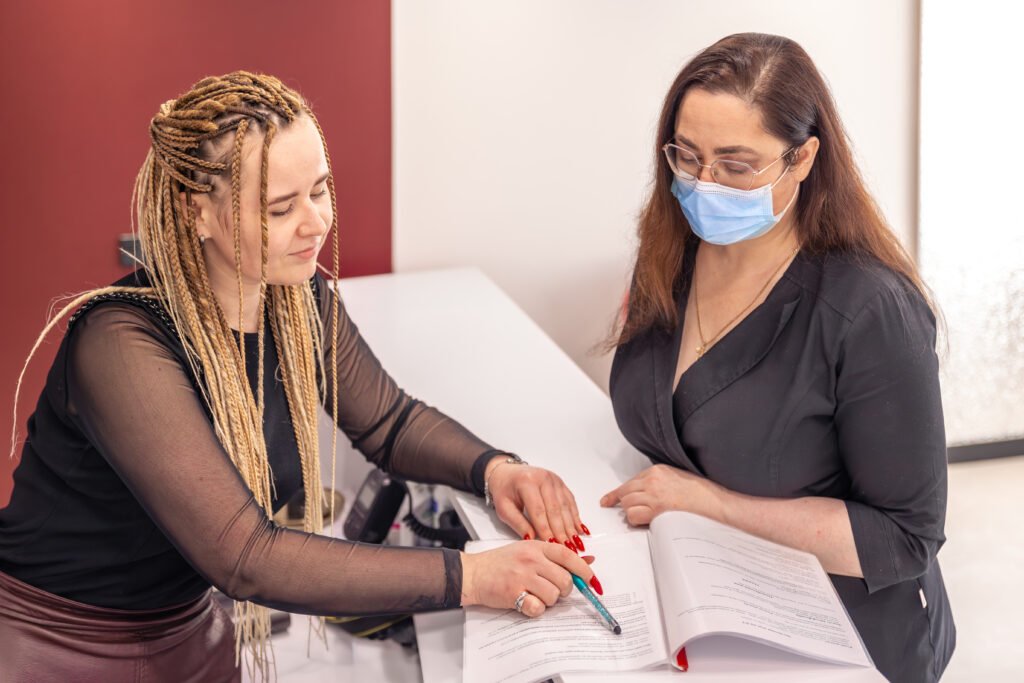
Looking for help in this space is not casual. It’s deeply personal. It carries fear of judgment, fear of being misunderstood, fear of being dismissed. That’s why the idea of an expert female sexologist specialist matters so much. Not just a professional, but a presence. Someone who understands what it means to speak about intimate concerns in a world that often expects women to stay silent.
A Expert Female Sexologist in Rohtak is not someone women seek out of curiosity. She is someone they turn to when silence becomes heavier than speaking. When discomfort starts affecting confidence. When relationships feel strained for reasons that don’t have clear words yet. This is about safety. Emotional safety. Physical safety. The quiet relief of knowing you won’t have to explain yourself from scratch.
Why women hesitate to talk about sexual health
Women are taught early to adjust. To accommodate. To normalize discomfort. Pain during intimacy is often minimized. Low desire is blamed on stress. Dissatisfaction is brushed aside as something unimportant. Over time, women learn to doubt their own experiences.
There’s also fear. Fear of being judged. Fear of being told it’s “all in your head.” Fear of medical spaces that feel rushed or dismissive. This is why many women live with sexual health concerns far longer than they should.
A Expert Female Sexologist in Rohtak understands this hesitation. She understands that walking into a consultation room can feel vulnerable in a way few other appointments do. That’s why trust is not optional here. It’s foundational.
What makes a female sexologist different
There’s a unique comfort that comes from speaking to another woman about intimate concerns. Not because male doctors are incapable, but because shared lived experience matters. A female sexologist often understands, intuitively, the layers of expectation placed on women’s bodies.
She understands how hormones, emotional labor, To better understand how specialists approach these concerns holistically, you can read about the role of a sexologist in modern sexual health care childbirth, trauma, cultural conditioning, and relationship dynamics all shape sexual health. She doesn’t rush to medicalize everything. She listens for patterns. She asks questions that feel human, not invasive.
For many women, choosing a Safe & Confidential Sex Therapy in Rohtak means choosing someone who won’t rush past emotional context. Someone who understands that sexual health is not separate from identity, safety, and self-worth.
Common concerns women carry quietly
Women rarely walk in saying everything directly. Concerns often arrive fragmented. Half-sentences. Hesitations. Over time, patterns emerge.
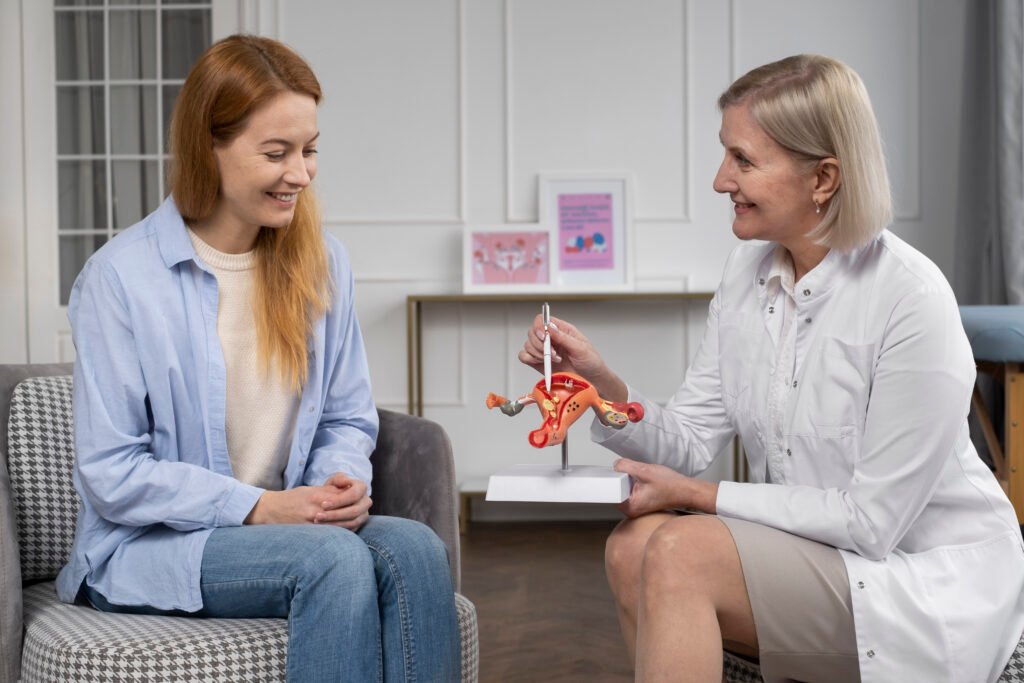
Some of the concerns a Expert Female Sexologist in Rohtak commonly hears include:
• Pain during intimacy that has been normalized for years
• Low or absent desire and the guilt around it
• Difficulty with arousal or orgasm
• Fear, anxiety, or discomfort related to intimacy
• Changes after childbirth, menopause, or illness
• Emotional disconnect during physical closeness
None of these are trivial. None of them are “just in your head.” Each one deserves careful attention without embarrassment.
What a safe consultation actually feels like
A safe consultation doesn’t feel clinical. It feels conversational. Unforced. You’re not expected to have the right words immediately. Silence is allowed. Tears are allowed. Confusion is allowed.
An expert Expert Female Sexologist in Rohtak listens first. She doesn’t interrupt your story to jump to conclusions. She doesn’t make you feel like you’re overreacting. She understands that many women have spent years convincing themselves their discomfort isn’t important.
Questions are asked gently. Explanations are offered only when needed. Treatment is discussed, not imposed. The pace adjusts to you, not the other way around.
Why emotional safety matters as much as medical care
Sexual health lives at the intersection of body and mind. Emotional safety determines how honestly a woman can speak. Without it, details remain hidden. Symptoms stay vague. Treatment becomes incomplete.
A Expert Female Sexologist in Rohtak knows that trust changes outcomes. When a woman feels safe, she shares more openly. When she feels heard, she becomes more engaged in her own healing.
This emotional safety often becomes the first step toward improvement, even before any treatment begins. Choosing an experienced and trusted professional can make a significant difference in outcomes. You can learn more about a proven sexual health specialist in Rohtak and what defines expert care.
How treatment unfolds without pressure
There is no single path to healing sexual health concerns. Treatment depends on the individual, her history, her body, her emotional landscape. A good specialist doesn’t promise instant results.
Sometimes treatment involves medical intervention. Sometimes it involves counseling, therapy, or lifestyle changes. Often, it’s a combination. Progress may be slow. There may be setbacks. That’s normal.
An experienced Expert Female Sexologist in Rohtak prepares women for this reality. She frames healing as a process, not a deadline. She checks in. Adjusts. Listens. She understands that improvement doesn’t always look dramatic. Sometimes it looks like feeling less anxious. Feeling more curious. Feeling more connected to one’s body.
The role of culture, conditioning, and silence
Women don’t grow up in a vacuum. Cultural messages shape how they view desire, pleasure, and boundaries. Many women are taught that their comfort comes second. That speaking up is selfish. That sex is something to endure rather than enjoy.
A Expert Female Sexologist in Rohtak understands this conditioning. She helps women unpack what belongs to them and what was inherited from silence. She helps separate personal experience from societal expectation.
This unpacking can be emotional. Sometimes uncomfortable. But it’s often freeing. Because many women realize they were never “broken.” They were just unheard.
Why choosing help is an act of self-respect
Seeking help for sexual health concerns is not indulgent. It’s not unnecessary. It’s an act of care. Of attention. Of taking your own comfort seriously.
Many women only realize, after beginning consultation, how much energy they were spending managing discomfort. Once addressed, life feels lighter in small but meaningful ways. Confidence shifts. Relationships soften. Self-trust returns.
Choosing a Expert Female Sexologist in Rohtak often becomes a turning point. Not because everything changes overnight, but because something important finally receives care.
What women often feel after the first visit
Relief is common. Not always joy, but relief. The kind that comes from being believed. From realizing you’re not alone. From understanding that there are explanations and options.

Many women leave their first consultation feeling calmer. More grounded. Less confused. Even if treatment hasn’t begun yet, clarity itself brings peace.
This is why women often recommend a trusted Expert Female Sexologist in Rohtak quietly, carefully, to others. Not loudly. Not publicly. But sincerely.
Conclusion
Women’s sexual health has long been surrounded by silence, expectation, and misunderstanding. But silence doesn’t heal. Listening does. Understanding does.
An expert female sexologist specialist offers more than treatment. She offers safety. She offers space where questions don’t need to be perfect before being asked. She offers care that respects both body and emotion.
If you’ve been carrying concerns quietly, wondering if they matter enough, they do. Reaching out to a Expert Female Sexologist in Rohtak is not about fixing something wrong. It’s about honoring something important. And sometimes, that choice alone changes how you relate to yourself. If you are looking for a safe and supportive environment, you can also explore a sexual health center in Rohtak with trusted doctors that focuses on privacy and patient comfort.
FAQs
Q.1 Is it normal to feel nervous before consulting a female sexologist?
Yes. Almost all women feel some hesitation. A good specialist understands this and creates a comfortable, respectful environment.
Q.2 Can sexual health concerns exist even if medical tests are normal?
Yes. Emotional, hormonal, psychological, and relational factors can all influence sexual health.
Q.3 Do female sexologists only address physical problems?
No. A Expert Female Sexologist in Rohtak looks at both physical and emotional aspects of sexual health.
Q.4 How many sessions does treatment usually take?
There is no fixed number. Treatment duration depends on the concern, individual response, and comfort level.
Q.5 Is consulting a sexologist confidential?
Yes. Professional consultations prioritize privacy and confidentiality at every step.